Preparing Communication Professionals for the Future of AI: A Conversation with Dr. Ishani Mukherjee
Meet Dr. Ishani Mukherjee
From social media algorithms to AI-generated content, technology is reshaping how people communicate and engage with the world around them. As these changes accelerate, communication professionals need more than technical skills. They need to understand how digital media and artificial intelligence shape how information is created, shared, and interpreted.
That growing need for both technological and communication expertise is helping redefine what it means to work in the field today. UIC’s Online Master of Arts in Communication, Digital Media, and AI prepares students to navigate this evolving landscape through a curriculum focused on digital storytelling, emerging technologies, ethical AI, and digital literacies. Designed for working professionals, the fully asynchronous program combines practical skills with a socially responsible understanding of digital media and communication technologies.
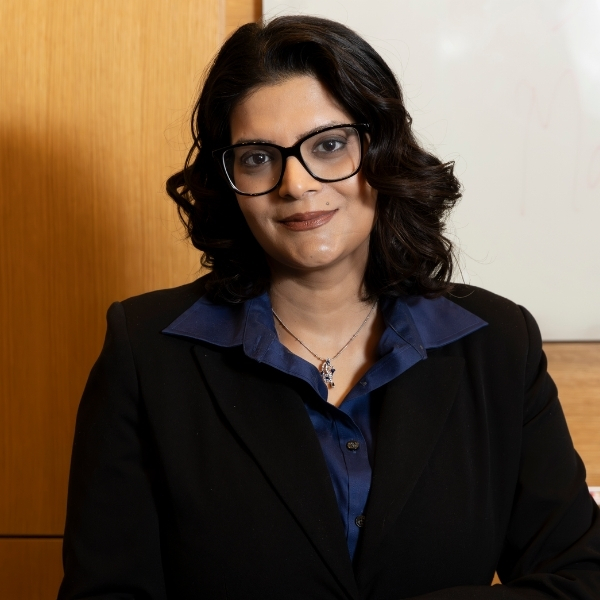
Helping shape that vision is Dr. Ishani Mukherjee, Clinical Associate Professor and Program Coordinator for the Online MA in Communication, Digital Media, and AI. Through her teaching and research, Mukherjee has explored how digital media, social advocacy, and emerging technologies influence the ways people communicate and shape public conversations.
Below, Dr. Ishani Mukherjee shares how communication is evolving with AI and the skills professionals need to thrive in an increasingly digital world.
Why Communication Professionals Need a Deeper Understanding of AI
AI and digital media technologies have already changed how communication is created, distributed, and experienced. Many of the platforms and tools people interact with every day are now shaped by algorithms, AI systems, and recommendation engines. These technologies can help professionals work more effectively. They can support content development, analyze information, improve workflows, and make better use of time and resources. But they should not completely take over areas where human judgment and expertise still matter. Communication professionals need to understand where their own expertise comes in and where technology should remain a tool rather than the decision-maker.
One of the things we discussed repeatedly while developing this program is that AI and digital media technologies are rapidly changing every industry.
Professionals need more than technical skills and the how-tos. Those skills are important, but they also need to think critically about data, ethics, equity, and the social and cultural impact of these technologies.
What we heard from professionals and graduates is that those standing out are often those with strong communication and digital literacy skills. They know how to use AI and digital media effectively, but they also understand the implications of those tools. As communication work becomes increasingly shaped by technology, that combination of practical knowledge and critical thinking becomes essential.
Developing Skills for the Future of Communication Technology
Many of the skills emphasized in the program have direct applications across communication and media professions. As digital media and emerging technologies continue to reshape the field, professionals need a deeper understanding of how communication works across platforms and audiences. Digital storytelling is a good example. It’s a buzzword today, but it’s also a very practical skill. At its core, digital storytelling means creating content that is platform-centered and audience-driven. Whether someone is developing social media content, writing digital articles, or building communication campaigns, they need to understand not only what they are communicating, but who they are communicating with and why.
That also means understanding influencer culture, branded content, audience engagement, and the ways people move between social, professional, and interpersonal spaces. Those boundaries have become increasingly fluid, and communication professionals need to understand how messages travel across them. Many communication roles now expect professionals to understand digital storytelling, audience engagement, and emerging technologies. What was once considered conceptual knowledge is increasingly becoming a practical expectation.
Why Ethics, Access, and Equity Matter in Digital Media
When we think about communication today, we also have to think about questions of power, responsibility, access, and equity. Those issues are deeply connected to how technology functions in society. Understanding social responsibility helps professionals navigate challenges such as misinformation, bias, privacy concerns, and ethical decision-making. Whether someone works in journalism, public relations, marketing, healthcare communication, or another field, they may be responsible for identifying potential harms, addressing misrepresentation, or helping organizations make responsible decisions about technology use.
One challenge we’re already seeing is that many organizations are adopting AI tools faster than they’re developing policies around them. In some cases, communication professionals may be responsible for helping shape those conversations and creating guidelines for ethical AI use within their organizations.
What Makes UIC’s Online MA in Communication, Digital Media, and AI Different
What really sets this program apart is the intentional way it brings together areas that are often treated separately. New media, AI, digital engagement, social responsibility, communication, access, and equity are explored as distinct topics, but they also function as part of a connected curriculum because that’s how they operate in the real world.
I’m particularly excited that the program combines emerging technologies with a strong emphasis on ethics. We are not approaching AI and digital tools from a purely utopian perspective. These technologies create tremendous opportunities, but they also introduce important challenges. Students need to understand both. That’s why students will receive hands-on instruction with digital technologies, AI tools, and data analytics while also engaging deeply with communication and media research. They’ll learn the how-tos, but they’ll also learn how to think critically about those tools, produce original work, and understand the broader implications of the technologies they use.
The program places a strong emphasis on responsible, socially cognizant communication skills because that foundation is essential. Understanding how technology influences audiences, organizations, and public conversations is just as important as understanding how to use the technology itself.
Advice for Future Communication Leaders
We would love to have you be part of our very dynamic and innovative Online MA in Communication, Digital Media, and AI. If you choose this program, I would encourage you to really engage closely with the course materials. You’ll learn to think critically and strategically while developing hands-on communication skills that can be applied in real-world settings.
You’ll have opportunities to work with emerging technologies, but you’ll also be encouraged to examine them, question them, and experiment with them. One of the most valuable parts of the learning experience is asking bigger questions about these tools. What are they giving us? What purpose do they serve? How far can they go? And where should they stop?
I would also encourage students to take full advantage of the program’s flexibility, accessibility, and inclusivity. Not many R1 institutions or leading communication departments provide this level of access and flexibility in a fully online master’s degree program.
Most importantly, the program is designed to help students grow in AI, social media, data-driven communication, and emerging digital cultures. These are fields where demand continues to grow, and where communication professionals have an opportunity to make a meaningful impact.